Your customers’ attention spans are constantly shrinking, but their expectations for personalized, surprising experiences are growing exponentially. In 2025, you won’t win with the biggest campaign or the highest advertising budget, but with the smartest micro-interactions that create emotional connections in seconds.
The Psychology of Micro-Moments
Micro-experiences leverage the “Peak-End Rule”—the principle that people primarily remember the emotional peak and the end of an experience. A surprising moment after a newsletter subscription or an unexpected bonus after the first purchase can leave a more lasting impression than expensive TV commercials.
Spotify’s “Wrapped” is the prime example: a simple year-in-review feature becomes a viral phenomenon through clever personalization and surprising insights. The investment? Minimal. The impact? Priceless.
Mapping the Customer Journey for Micro-Experiences
Successful micro-experience strategies begin with a detailed analysis of the customer journey. Identify 7-10 key moments when customers are most receptive to positive surprises: Pre-Purchase, Purchase, Post-Purchase, Onboarding, Support.
For example, an online bookstore could offer a “3 books in 30 seconds” recommendation based on the last purchase. After the purchase, the customer receives not just the invoice, but a personalized video from the bookseller with reading tips.
Technology Meets Emotion
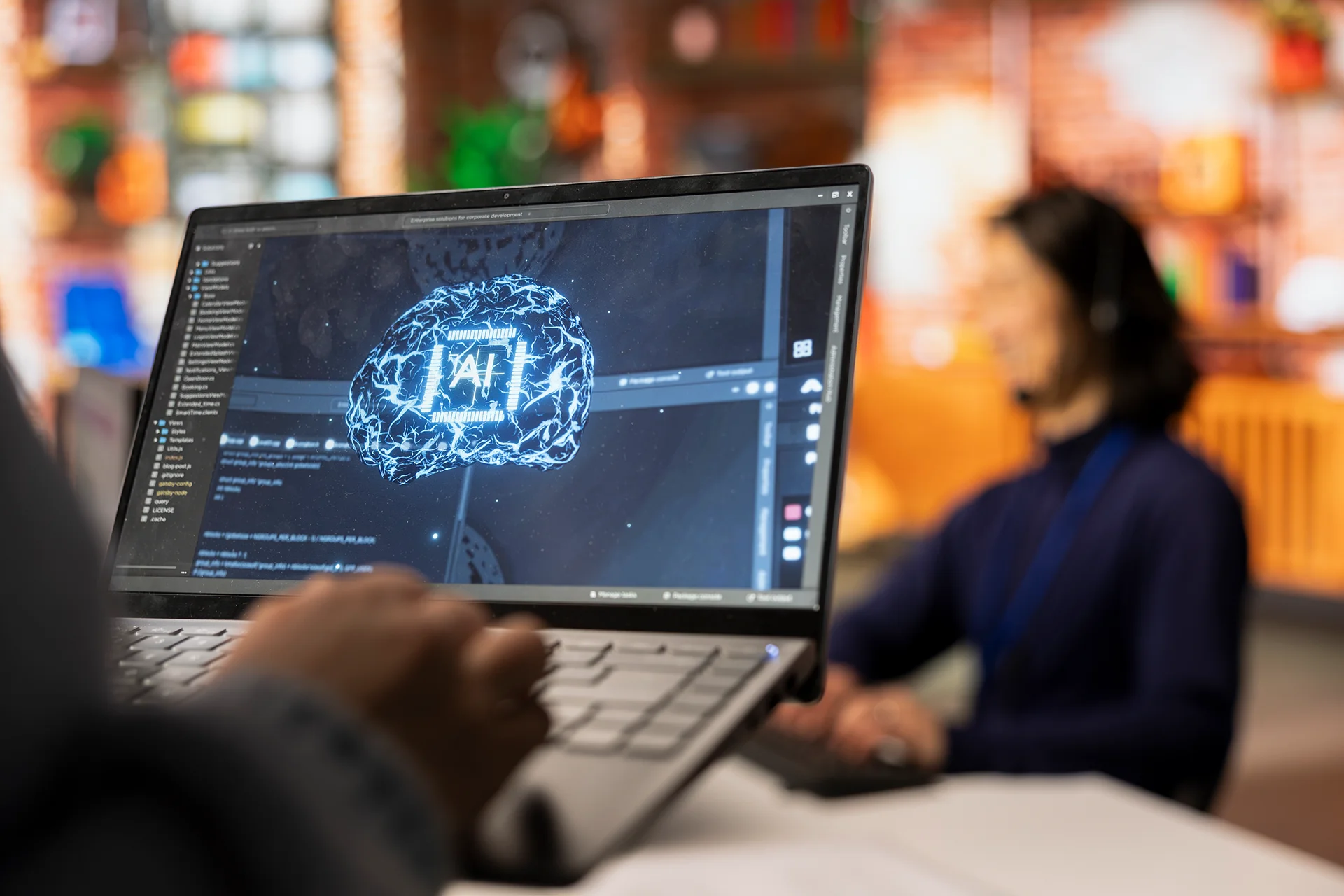
In 2025, AI and automation will enable micro-experiences at scale. Chatbots will detect frustration in real-time and switch to a human agent. E-commerce websites will display personalized product stories based on the time of day and the customer’s local weather.
A sustainable fashion label could automatically display after each order: “With this purchase, you saved 2.3kg of CO2 and 47 liters of water compared to fast fashion.” This information, verified by blockchain technology, builds trust.
The ROI of Micro-Experiences
Micro-experiences have a demonstrably higher ROI than traditional campaigns. They cost less, are implemented faster, and generate higher referral rates. A well-designed micro-experience system can increase customer loyalty by 25-40%, while implementation costs are often less than 5% of a traditional campaign budget.
 EN
EN  DE
DE  ES
ES